The at-home wellness market is experiencing rapid, unprecedented growth. Consumers increasingly demand professional-grade treatments in their living rooms. This surge raises the stakes for distributors selecting a manufacturing partner. Sourcing a reliable wearable LED therapy device requires balancing strict unit economics against severe compliance requirements. You face major supply chain risks. You cannot afford to choose a factory based on price alone. Delays, regulatory fines, and product failures can destroy a brand overnight. This guide provides a transparent breakdown of minimum order quantities (MOQs), production lead times, and customization tiers. We will help B2B buyers evaluate manufacturers objectively. You will learn how to navigate vendor negotiations and build a resilient supply chain. Armed with these insights, you can scale operations efficiently. You will ultimately deliver consistent, professional-grade results to your customers.
Key Takeaways
Customization dictates capital: Deep ODM customization requires higher MOQs (typically 500–1000+ units) compared to standard white-label solutions (100–300 units).
Lead times require buffering: Standard mass production averages 30–45 days, but initial prototyping and custom tooling can add 4–8 weeks to the rollout timeline.
Compliance is non-negotiable: Distributors must verify ISO 13485 manufacturing standards and market-specific clearances (e.g., FDA, CE) to mitigate liability.
Vetting requires skepticism: Authentic manufacturers will provide transparent BOMs (Bill of Materials), verifiable lab testing for irradiance, and clear warranty terms over aggressive, unverifiable pricing.
The Business Case: Evaluating a Wearable LED Therapy Device Manufacturer
We must evaluate potential manufacturing partners through a comprehensive lens. Too many B2B buyers fixate solely on the lowest upfront unit cost. This narrow approach often proves disastrous. You must factor in hidden expenses over the product's lifespan. High defect rates, expensive warranty obligations, and severe shipping delays quickly erode profit margins. A seemingly cheap product becomes incredibly costly when you face thousands of customer returns.
The market reality is quite stark. It currently overflows with low-cost, unverified suppliers. Anyone can solder cheap LEDs onto a flexible board. However, consistent, measurable light output is what truly drives repeat business. You need precise nanometer wavelengths. You must ensure consistent optical power density across the treatment area. These specific technical factors generate real, observable wellness benefits. Positive customer outcomes build your brand reputation. Lower-cost alternatives may use lower-grade components that degrade faster under repeated use cycles. Professional distributors avoid these subpar components.
A successful partnership requires more than just decent pricing. You need scalable production capabilities to match your projected growth. The manufacturer must enforce stringent Quality Control (QC) at every assembly stage. Intellectual property (IP) protection is equally vital. Your supplier should safeguard your unique designs. They must sign strict Non-Disclosure and Non-Compete agreements. You do not want them selling your proprietary modifications directly to your competitors.
Customization Pathways: White Label, OEM, and ODM
To build your brand effectively, you must choose the appropriate manufacturing pathway. Each tier offers different benefits, risks, and capital requirements. You must align this choice with your current business size and market strategy.
White Label (Private Labeling)
White labeling means you brand existing, pre-engineered wearable models. The factory already produces the unit in large volumes. You simply apply your brand identity to it.
This pathway offers the fastest possible time-to-market. It is highly ideal for testing new demographic segments. Distributors frequently use it to rapidly supplement an existing product line. A skincare clinic might add a white-label mask to boost retail sales without funding R&D.
However, you face strict customization limits. You can usually only alter logo placement. You can change the outer retail packaging. You can execute basic manual redesigns. You cannot change the core technology, LED layouts, or physical shape.
OEM (Original Equipment Manufacturing)
OEM involves modifying existing baseline models. You instruct the factory to swap or upgrade specific internal components based on your market research.
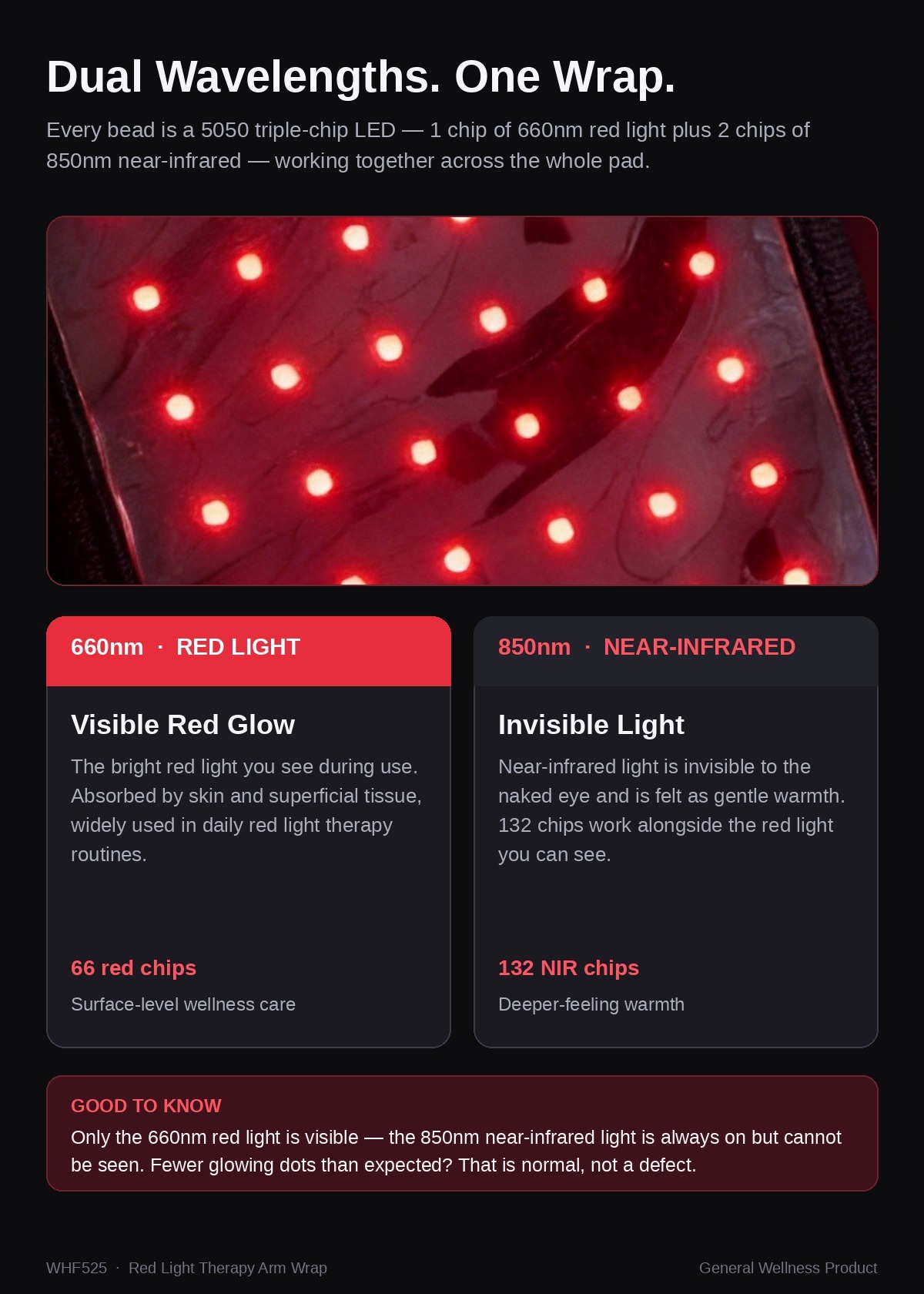
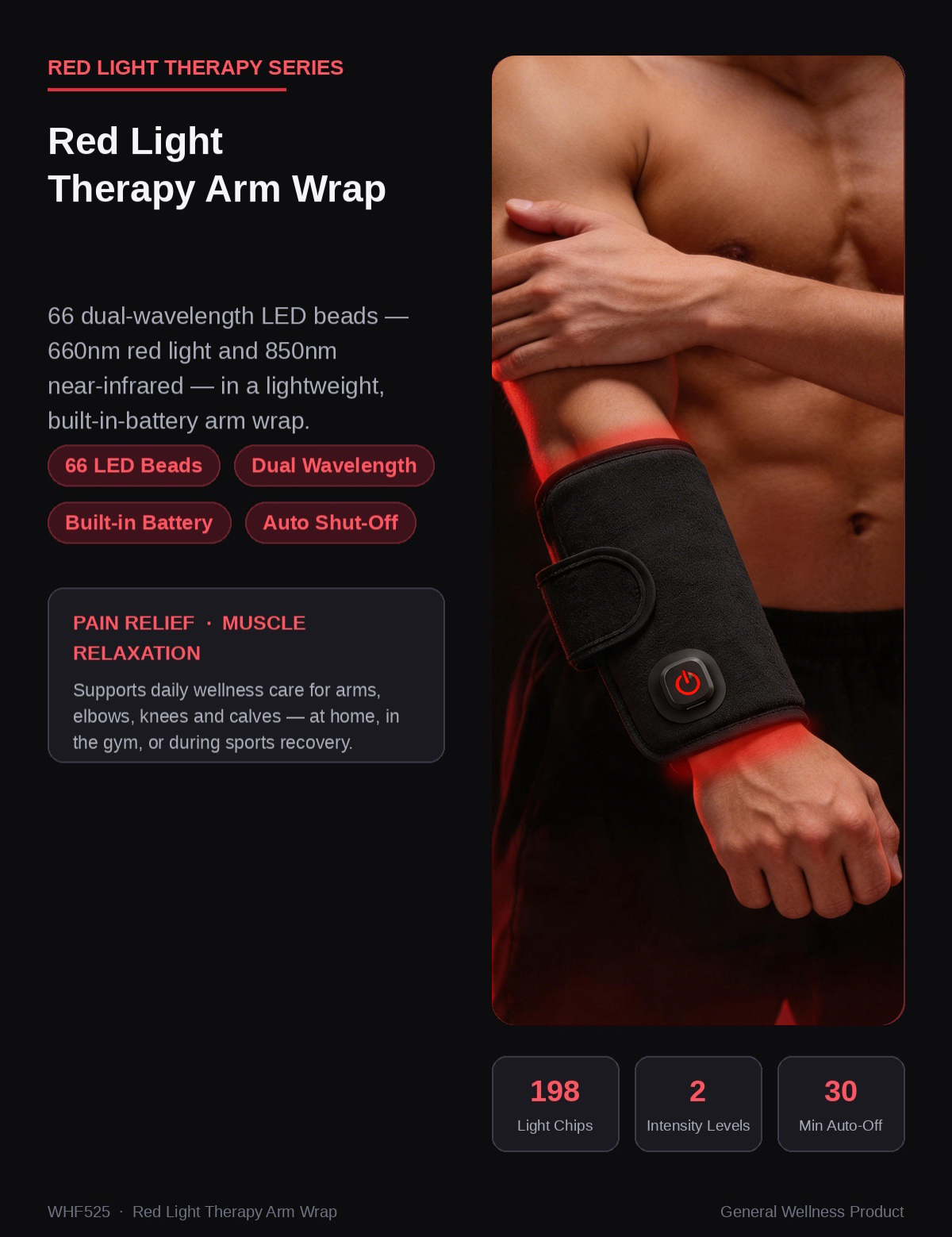
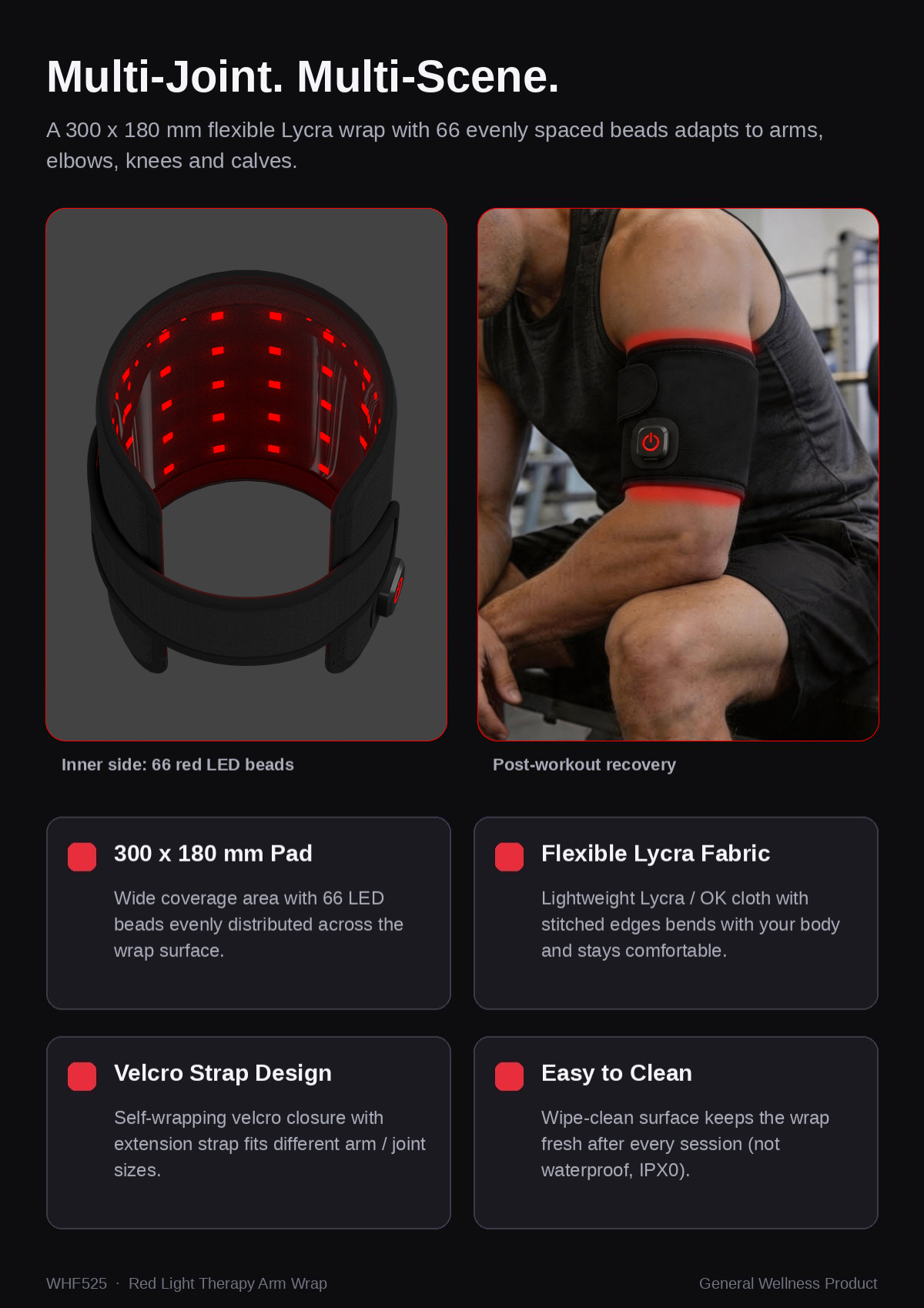
This pathway gives you significant control over crucial variables. You might adjust the LED chip density for better facial coverage. You can request specific wavelength combinations. For example, you might combine 660nm red light and 850nm near-infrared light. Upgrading battery capacity extends usage time between charges, improving user experience. You can also specify a more breathable textile like Lycra for better skin comfort. OEM perfectly balances unique customization with manageable development costs.
ODM (Original Design Manufacturing)
ODM represents ground-up engineering based entirely on your unique distributor specifications. You conceptualize a completely original shape, function, and software interface.
This route carries significant implementation risks. You must pay for expensive custom injection molds. You must fund extensive safety testing from scratch. It requires a massive upfront R&D investment. The primary reward is total brand differentiation. No other competitor will have your exact product. However, the risk for severe delays remains high. Engineering hurdles, PCB debugging, and mold adjustments often push timelines back by several months.
Navigating MOQs (Minimum Order Quantities) by Customization Tier
Understanding the financial logic behind MOQs will drastically improve your negotiation stance. MOQs are not arbitrary numbers invented by factory sales teams. They are directly driven by raw material minimums. If you want custom-cut medical-grade silicone, the supplier must buy it in bulk from their sub-vendor. Specialized LED diodes also require massive batch orders, often coming in reels of 5,000 to 10,000 units. Additionally, halting an active production line to set up your specific design incurs significant labor and calibration costs.
Industry benchmarks remain fairly consistent across reputable suppliers. Let us look at the standard expectations you will encounter.
Table 1: Standard MOQ Benchmarks by Customization Tier
| Customization Tier | Average MOQ Range | Primary Use Case |
| White Label / Stock Inventory | 100 – 300 units | Market testing and rapid launches |
| Light OEM (Custom specs/materials) | 500 – 1,000 units | Differentiating an established brand |
| Full ODM (Custom molds/designs) | 1,000 – 3,000+ units | Enterprise brands with high R&D budgets |


You can employ specific negotiation strategies for these quantities. Ask the factory about staggered MOQs. You might commit to a 1,000-unit annual contract but negotiate split-shipments. You take 300 units for an initial pilot launch. You pay a slight warehousing fee for the remaining stock held at the factory. This approach keeps your upfront capital expenditure lower. It prevents you from sacrificing your long-term per-unit margins. You can also offer to pay a higher unit price on the first small batch, reverting to standard pricing once volume increases.
Lead Times and Supply Chain Logistics
Reliable inventory management requires a deep understanding of standard lead times. Manufacturing a wearable LED therapy device involves multiple sequential stages. You must track each phase to ensure timely delivery.
The Production Timeline Breakdown
Prototyping & Sampling (14–21 days): This phase is absolutely essential. You must verify their irradiance claims physically. You need to test material comfort and fit before approving mass production.
Material Sourcing (10–15 days post-deposit): The factory procures the batteries, LED reels, microchips, and textiles required for your specific order. Custom components take longer to arrive.
Mass Production (30–45 days): This is the actual assembly line process. Complex OEM/ODM designs push this closer to the 45-day mark. Workers solder components, assemble housing, and integrate the power supplies.
QC & Assembly (7–10 days): Workers perform final testing. They inspect for cosmetic defects. They run battery cycle tests. Finally, they pack the units into your retail packaging.
Anticipating Bottlenecks
Delays happen frequently in international trade. You must anticipate common bottlenecks to protect your retail launch dates. Lithium-ion battery sourcing frequently faces stringent regulatory holds during air freight. Global shipping port congestion can easily add weeks to ocean freight transit times. Seasonal factory closures pose another massive threat. The Lunar New Year typically halts Asian production entirely for up to a month.
Risk mitigation requires proactive forecasting. We strongly advise building a 20% time buffer into your fulfillment schedules. If you need stock ready for Q3/Q4 holiday sales, you should initiate production negotiations in late Q2. Do not leave your supply chain vulnerable to predictable logistical delays.
Compliance, Quality Assurance, and Liability Mitigation
Navigating international regulations is the most critical aspect of medical and wellness distribution. The regulatory baseline varies wildly depending on your marketing language. A wearable LED therapy device is often classified as a regulated wellness device in many jurisdictions. However, regulators might deem it a simple wellness device depending entirely on your specific claims. Claiming to cure conditions triggers intense clinical scrutiny. Claiming to support general wellness typically falls under lower-risk categories.
You must demand essential certifications from your manufacturing partner. This due diligence mitigates your corporate liability.
Common Certifications to Verify With Your Supplier:
Facility: ISO 13485 (Medical Device Quality Management). This proves they maintain systematic processes for safe manufacturing.
Product (US): FDA clearance or facility registration where applicable to intended use.
Product (Europe): CE Mark or MDR compliance as required by market classification.
Materials: RoHS compliance, restricting hazardous substances in electronics.
Quality Assurance goes far beyond framed certificates on a lobby wall. You need hard QC evidence. Demand third-party optical spectrometer reports. These independent lab tests verify the actual light wavelength output. They measure the true optical power density. Do not rely solely on internal factory marketing sheets. In-house data is frequently exaggerated. Independent lab data protects you from false advertising lawsuits.
Shortlisting Logic and Next Steps for Distributors
Selecting a reliable factory requires a methodical, emotionless approach. You must look past slick websites and aggressive sales pitches. Use this evaluation checklist to filter out unreliable vendors efficiently.
Request a physical sample immediately. Test it yourself with an independent light meter to verify power output claims.
Audit their certification database thoroughly. Verify their registration numbers directly with the issuing regulatory bodies.
Compare the provided BOM (Bill of Materials) against their quoted MOQs. Ensure the pricing aligns with actual component costs.
Review their standard warranty terms in detail. A reliable B2B warranty typically covers 12–24 months. Clarify their Defective Return Authorization processes.
Take actionable next steps once you identify strong candidates. Draft a highly detailed RFQ (Request for Quote). You should specify your exact target wavelengths. State your expected annual volume clearly. Outline your target market regulations. Sending this robust RFQ will immediately filter out unqualified suppliers. Professional factories will respond with detailed breakdowns. Inexperienced workshops will ignore it or provide vague pricing.
Conclusion
Successful distribution hinges entirely on a highly predictable supply chain. You need verifiable wellness-grade specifications to back up your marketing. You must set realistic expectations regarding manufacturing timelines and MOQs. Sourcing the right product requires patience, capital, and rigorous physical testing. We strongly encourage distributors to view manufacturers as true compliance partners. They are not just cheap component assemblers. Their internal quality control processes directly protect your customers. Take decisive action today by drafting your technical requirements. Request a comprehensive catalog from audited suppliers. Consult directly with an OEM specialist to map out your specific product roadmap.
FAQ
Q: Can I start with an MOQ of 50 units for a custom wearable LED therapy device?
A: Generally no for custom tooling or OEM due to material sourcing minimums. 50 units is typically restricted to existing stock for white-labeling.
Q: How long does the prototyping phase take for a completely new ODM device?
A: Expect 45 to 90 days for initial 3D rendering, mold creation, PCB programming, and physical sampling before mass production can begin.
Q: Do I need my own FDA clearance if the manufacturer is already FDA registered?
A: If distributing under your own brand name (Private Label/OEM), you typically need to register as an Initial Importer or obtain applicable regulatory clearance depending on device class and intended use. Always consult a regulatory expert.
Q: What is the standard defective rate I should accept?
A: A reliable ISO-certified facility should maintain a defect rate below 1-2%. Contracts should stipulate replacement terms for anything exceeding this baseline.