
Views: 0 Author: Site Editor Publish Time: 2026-01-09 Origin: Site
Red light masks have become a popular skincare tool in recent years, praised for their ability to rejuvenate the skin and promote a youthful, glowing complexion. These masks use LED lights, typically in the red and near-infrared spectrum, to penetrate the skin and stimulate collagen production, reduce wrinkles, and improve skin texture. As their benefits become more recognized, many people are incorporating them into their skincare routines. A common question that arises is whether red light masks can be used alongside other skincare products to enhance their effects. The answer is yes, but with some considerations. Red light therapy can actually improve the absorption of active ingredients in skincare products, making them more effective when used together. However, the order in which products are applied and the types of products used are important to ensure compatibility and avoid irritation. This article will explore how to properly combine red light therapy with other skincare treatments to maximize benefits.
Red light masks are a powerful tool in your skincare routine, and when combined with other products, they can amplify results. Here’s how red light therapy can work in harmony with various skincare treatments:
Red light therapy may complement the use of serums, moisturizers, and other skincare products by supporting skin conditions that can influence how products interact with the skin.
Some users choose to combine red light therapy with their skincare routines because the light may help create a more receptive skin environment. This could allow active ingredients in skincare products to interact more effectively with the skin’s surface and underlying layers. However, individual responses can vary, and results are not guaranteed.
When red light therapy is used alongside skincare products, it should be viewed as a supportive addition rather than a method for achieving immediate or dramatic outcomes. Consistent routines and realistic expectations remain important for long-term skin care.
To get the most out of your red light mask, combine it with products that support skin health and complement the therapy’s benefits:
Hyaluronic Acid: A powerful hydrating agent, hyaluronic acid helps replenish moisture, and when used with red light therapy, it can enhance skin hydration and plumpness.
Vitamin C: Known for its brightening properties, vitamin C works well with red light therapy to promote skin repair and even skin tone. The light helps the skin absorb the vitamin C more effectively, boosting its antioxidant benefits.
Retinol: Retinol, a form of vitamin A, is great for reducing fine lines and promoting cell turnover. Using it with red light therapy can help increase its effectiveness by improving skin texture and reducing the signs of aging. However, it should be used cautiously, as retinol can increase skin sensitivity.
While red light therapy can enhance the effectiveness of many products, there are some ingredients that may not mix well with light exposure:
Products with Excessive Acidity: Skincare products that have high acidity, such as certain alpha-hydroxy acids (AHAs) and beta-hydroxy acids (BHAs), can increase skin sensitivity. When combined with red light therapy, these products may cause irritation, redness, or inflammation, especially if used frequently.
Strong Actives: Strong active ingredients like benzoyl peroxide (commonly used for acne) or vitamin C serums with high concentrations might irritate the skin when exposed to the light. It's advisable to use such products cautiously or at different times of the day to avoid overstimulation or irritation.
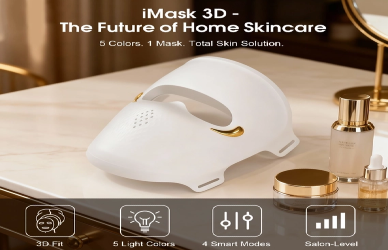
The timing of applying skincare products relative to using a red light mask is key to maximizing their benefits. Here's how to optimize your routine:
Before the Mask: Apply skincare products like serums or moisturizers before using the red light mask. The light enhances product absorption, allowing active ingredients to penetrate deeper for better results.
After the Mask: You can also apply products after using the mask. This allows your skin to absorb the red light therapy's benefits first, followed by products that lock in moisture or support skin repair.
Before the Mask: Wait about 5-10 minutes after applying your products to ensure they’re fully absorbed before the red light therapy session.
After the Mask: Wait 5-10 minutes after using the mask to let your skin cool and reset before applying more products.
While red light masks can greatly enhance the effectiveness of your skincare routine, it's important to take precautions to avoid overloading the skin and causing irritation. Here are some key tips to keep in mind:
Using too many products or treatments at once can overwhelm your skin, leading to irritation or sensitivity. When incorporating a red light mask into your routine, be mindful of the number of active ingredients you're using. Stick to essential products like moisturizers, serums, or treatments that align with your skincare goals. Overuse of multiple potent actives (e.g., retinol, acids, and vitamin C) alongside red light therapy may cause your skin to become sensitive. It's best to simplify your routine and avoid applying several products that can work similarly at the same time.
Before fully incorporating a red light mask with multiple skincare products, test the combination to ensure it doesn’t irritate your skin. Apply a small amount of the products to a patch of skin, then use the red light mask as you normally would. Monitor for any signs of irritation such as redness, itching, or stinging. If you notice any adverse reactions, it's a sign that the products may not be compatible, or that they’re too strong when used together.
If you're new to using a red light mask with skincare products, start by introducing one product at a time into your routine. This allows you to observe how your skin reacts to each addition and avoid overwhelming it. You can gradually build up your routine and the number of products you use as your skin gets accustomed to the red light therapy and other active ingredients.
Yes, using a red light mask daily is generally safe for most people, but it’s important not to overload your skin with too many active ingredients in your routine. Too many products can lead to irritation, so it’s best to simplify your routine and focus on essential skincare.
It’s typically best to apply skincare products after using a red light mask. This allows your skin to fully absorb the benefits of the mask first, and then you can apply moisturizers or serums to lock in hydration and further support skin repair.
Yes, you can use retinol with a red light mask, but be cautious. Retinol increases skin sensitivity, so always monitor your skin’s reaction and avoid overuse. If irritation occurs, reduce the frequency or use them on alternate days.
Hydrating serums with hyaluronic acid, brightening products like vitamin C, and soothing ingredients such as aloe vera work well with red light therapy. These products complement the mask’s benefits by enhancing moisture retention, skin healing, and reducing inflammation.
To sum up, combining red light masks with other skincare products can greatly amplify the results of your routine, providing enhanced hydration, smoother skin, and reduced signs of aging. However, it's important to carefully select the right products and apply them in the correct order to avoid overwhelming the skin. Red light therapy can increase the effectiveness of skincare ingredients, but using too many active ingredients or applying them incorrectly may lead to irritation. Always pay attention to your skin’s response and adjust your routine accordingly. By customizing your skincare approach based on your skin’s needs, you can maximize the benefits of both red light therapy and your products, achieving healthy, glowing skin.


